GLP-1 Weight Loss Drugs in 2026: Why Ozempic, Wegovy, and Mounjaro Are Still America's #1 Health Obsession
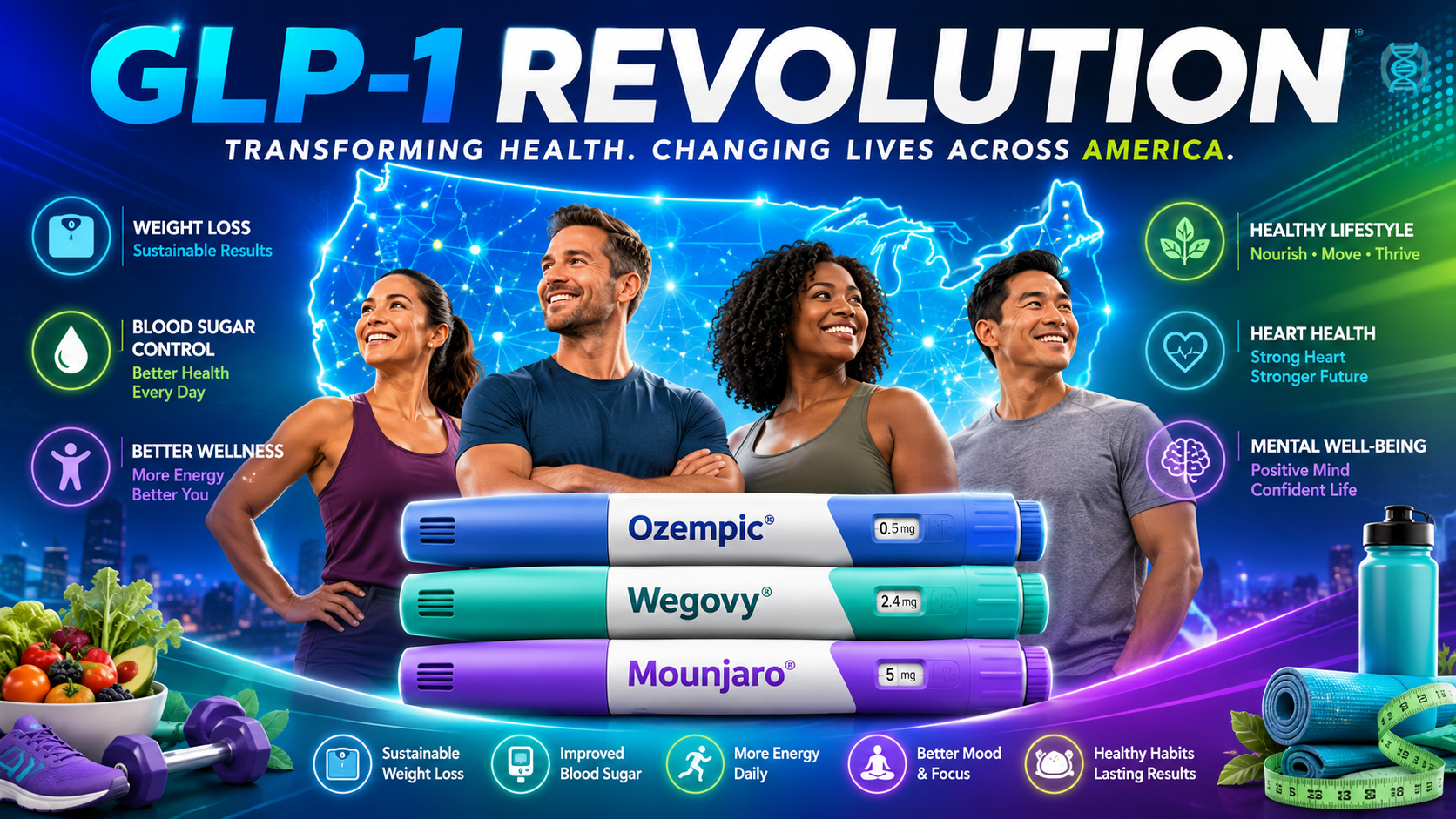
If you've scrolled through health news, TikTok, or even your family group chat this year, chances are you've run into the same four letters: GLP-1. It isn't an exaggeration to say that no single health topic has dominated American conversation quite like GLP-1 receptor agonists the class of drugs that includes Ozempic, Wegovy, Mounjaro, and Zepbound. What started as a diabetes treatment has turned into the most searched, most discussed, and most polarizing health trend in the country.
According to a panel of nutrition and medical experts surveyed by U.S. News & World Report for its 2026 health trends report, the rising use of GLP-1 medications topped the list of trends expected to shape this year's healthcare landscape, chosen by more than half the experts polled. Roughly one in five American adults has now tried a GLP-1 drug, according to KFF survey data, and that number keeps climbing as prices slowly come down and insurance coverage expands.
So why is this single class of medication still the most viewed, most searched, and most talked-about keyword in health circles across the U.S.? Let's break down what's actually happening the science, the new 2026 research, the real risks, and what people are asking their doctors right now.
What Exactly Are GLP-1 Drugs?
GLP-1 stands for glucagon-like peptide-1, a natural hormone your gut releases after you eat. It tells your brain you're full, slows down digestion, and helps your pancreas manage blood sugar. GLP-1 receptor agonist drugs are lab-made versions of this hormone that latch onto the same receptors in your body, but they stick around much longer than the natural hormone does, which is why one weekly injection can curb appetite for days.
There are now seven FDA-approved GLP-1-based medications on the market, each with its own dosing schedule and use case:
Ozempic and Rybelsus (semaglutide) originally approved for type 2 diabetes
Wegovy (semaglutide, higher dose) approved specifically for chronic weight management
Mounjaro (tirzepatide) a dual GLP-1/GIP agonist approved for diabetes
Zepbound (tirzepatide) the weight-loss version of Mounjaro
Trulicity and Victoza (dulaglutide and liraglutide) older, well-established options with long safety track records
Clinical trial data shows Zepbound and Mounjaro, which act on two different gut hormone receptors instead of one, tend to produce the most dramatic results, with some participants losing between 15% and 22% of their total body weight over the course of a trial. That's a scale of weight loss that, outside of bariatric surgery, medicine simply hasn't been able to offer before.
Why GLP-1s Became the Biggest Health Story in America
A few things converged to make this the health topic of the decade so far:
1. The results are visible and dramatic. Unlike most medications, which work quietly in the background, GLP-1 drugs produce changes people can see in the mirror within weeks. That makes for a powerful word-of-mouth and social media story and it's exactly why "before and after" GLP-1 posts have become a genre of their own online.
2. It's not just about weight anymore. What began as a diabetes and obesity treatment is turning into something much bigger. Researchers are now studying GLP-1 drugs for their effects on heart disease, kidney disease, fertility, arthritis, addiction, and even certain cancers. Some oncologists have started prescribing GLP-1 medications alongside standard cancer treatment, and there's early research looking at whether these drugs might one day help lower cancer risk in people with obesity, since excess weight itself is a known risk factor for over a dozen cancer types. It's important to be careful here doctors and researchers are quick to caution that the idea of GLP-1s directly "preventing" cancer is still speculative, and much of the current buzz is easy to misread from headlines alone.
3. Access has genuinely improved. Telehealth platforms have made prescriptions easier to get, compounding pharmacies temporarily filled in supply gaps during shortages, and by late 2025 the FDA approved the first once-daily oral GLP-1 pill that doesn't require food or water restrictions a major convenience upgrade over weekly injections. An oral version of Wegovy also received approval around the same time, which analysts expect will push adoption even higher through 2026 as pricing becomes more competitive.
4. Everyone knows someone who's tried it. When a treatment moves from "my endocrinologist mentioned it" to "my coworker, my cousin, and my gym buddy are all on it," it stops being a medical topic and becomes a cultural one. That's exactly the tipping point GLP-1 drugs hit in the U.S. this year.
The New Research Making Headlines in 2026
This year alone, several new studies have kept GLP-1 drugs in the news cycle:
Sleep apnea relief. Tirzepatide (Zepbound) became the first pharmacologic therapy approved for moderate-to-severe obstructive sleep apnea in adults with obesity, after a major trial showed it significantly reduced breathing interruptions during sleep, both in people using CPAP machines and those who weren't.
Long COVID and lung damage. A 2026 study found that GLP-1 medications may help block inflammatory lung scarring caused by COVID-19 in people with diabetes, potentially lowering the risk of long COVID symptoms.
Addiction and substance use. A large study of more than 600,000 military veterans with type 2 diabetes found that those on GLP-1 medications had a lower rate of substance use disorder complications, overdoses, and related hospitalizations compared with people on a different diabetes drug class. Researchers are quick to point out this is preliminary GLP-1s are not FDA-approved to treat addiction, and much more research is needed before this becomes a recommended use.
Foot health. As more people lose significant weight quickly, doctors are increasingly fielding questions about changes to foot shape and shoe fit an unexpected side effect of rapid, large-scale weight loss that nobody was really talking about a few years ago.
Chronic kidney disease. A large ongoing trial (expected to finish later this year) is examining whether tirzepatide can help people who have both obesity and chronic kidney disease, building on already-strong evidence for GLP-1 drugs' benefits for the kidneys and heart.
The Side Effects Nobody Wants to Talk About
For all the good headlines, GLP-1 drugs are not without real downsides, and any honest conversation about this trend has to include them.
Gastrointestinal issues are the most common problem, by far. Nausea, vomiting, diarrhea, and constipation affect a large share of users, especially while the dose is being increased. For most people, these symptoms fade over time as the body adjusts, but for some, they're severe enough to cause them to stop treatment altogether.
Muscle loss is a growing concern. Because these drugs suppress appetite so effectively, people often eat less protein overall, and a meaningful portion of the weight lost on GLP-1 drugs comes from muscle, not just fat. Researchers are actively studying ways to prevent this, including combining GLP-1 treatment with resistance training and higher protein intake, and some early animal studies are looking at drugs that might protect muscle tissue during rapid weight loss.
Hair loss is an emerging, lesser-known effect. A 2026 scientific review found more than 1,000 reported cases of hair thinning or shedding mostly a temporary condition called telogen effluvium associated with GLP-1 use in the U.S. It's thought to be related to the stress rapid weight loss puts on the body rather than a direct effect of the drug itself, and it typically resolves once weight stabilizes.
Weight regain after stopping is common and significant. This might be the most important, least-hyped fact in the entire GLP-1 conversation. A large 2026 analysis of more than 9,000 patients found that people who stopped taking semaglutide or tirzepatide regained an average of almost two pounds a month afterward. In the STEP 1 trial, people who stopped taking semaglutide had regained about two-thirds of their lost weight within a year. Doctors increasingly describe obesity the way they'd describe high blood pressure or high cholesterol: a chronic condition that may require long-term, ongoing management rather than a medication you take for a few months and then quit.
Cost remains a real barrier. Monthly prices for GLP-1 drugs range anywhere from around $25 with strong insurance coverage to well over $1,000 a month without it. That gap has fueled both a boom in telehealth prescribing and, unfortunately, a market for unregulated compounded versions, which carry their own safety concerns since they aren't FDA-approved in the same way as the brand-name drugs.
Beyond Weight Loss: What Else Is Trending in U.S. Health Right Now
GLP-1 drugs may be the single biggest health story of 2026, but they're not the only one. Here's a quick look at the other health topics and keywords Americans are searching for and reading about right now.
Sleep Optimization and Wearables
Sleep has quietly become one of the most mainstream health upgrades of the decade. Devices like smart rings and fitness trackers have turned sleep from something people simply hoped they got enough of into a number they check every morning. A recent study found that adults who lost about 78 minutes of sleep a night over six weeks gained nearly a pound and moved less overall a reminder that sleep and weight management are far more connected than most people realize. Expect to see more AI-powered sleep coaching, temperature-controlled bedding, and even hotel rooms designed around better rest this year.
Gut Health and the Microbiome
New research published this year identified specific bacterial species in the gut microbiome linked to a higher risk of type 2 diabetes, adding to a growing pile of evidence that what's happening in your digestive system affects far more than digestion. The "food as medicine" movement prioritizing whole, nutrient-dense foods over supplements was named one of the top nutrition trends for 2026 by a panel of registered dietitians, reflecting a broader shift away from restrictive diets and toward sustainable eating patterns.
Brain Health and Dementia Prevention
A widely cited 2026 study found that nearly half of all dementia cases may be preventable through modifiable lifestyle factors like exercise, blood pressure control, hearing health, and social connection. Separately, researchers made progress understanding why some people's brains seem naturally resistant to Alzheimer's disease, and a mouse study revealed a surprising role for the tau protein in how memories are formed findings that could eventually reshape how Alzheimer's treatments are developed.
Measles and Vaccine-Preventable Disease
Not every trending health topic in 2026 is about wellness optimization. The U.S. has seen a resurgence of measles cases this year, with dozens of new outbreaks reported and health officials in several states, including Tennessee, issuing public exposure warnings. Health authorities are tracking whether the surge could affect the country's official measles elimination status, a designation the U.S. has held since 2000.
Heart Health and Unexpected Connections
Some of the more surprising health stories this year involve connections between seemingly unrelated body systems. Researchers found that bacteria linked to gum disease may contribute to a serious heart valve condition, and a separate study found that serotonin best known for its role in mood may also influence the progression of heart valve disease. These findings are part of a broader trend in 2026 research: looking at the body as a connected system rather than a set of separate parts.
What This Means If You're Considering a GLP-1 Medication
If the headlines have you wondering whether a GLP-1 drug might be right for you, here are a few grounded, practical points worth keeping in mind before your next doctor's visit:
These are prescription medications for a medical condition, not a quick cosmetic fix. They work best as part of a long-term plan that includes nutrition, movement, and medical supervision not a standalone shortcut.
Ask about protein and resistance training. Given how strongly linked these drugs are to muscle loss, most obesity medicine specialists now recommend pairing treatment with strength training and a higher protein intake to help preserve muscle mass while losing fat.
Understand it may be a long-term commitment. Given how common weight regain is after stopping, have an honest conversation with your doctor about what the long-term plan looks like, not just the first few months.
Ask about cost and coverage upfront. Prices vary enormously depending on insurance, the specific drug, and whether a generic or oral version is available. Don't assume the sticker price you see online is what you'll actually pay.
Watch for side effects, but don't panic over headlines. Most side effects, especially gastrointestinal ones, are temporary and manageable. Rare risks are real and worth discussing with your doctor, but they shouldn't be confused with the most common, everyday experience of people on these medications.
Talk to a licensed healthcare provider, not social media. So much of the GLP-1 conversation happens on TikTok and Instagram, where nuance tends to disappear. A doctor or endocrinologist can tell you whether you're actually a good candidate, and what dosage and monitoring plan makes sense for your specific health history.
The Telehealth and DTC Boom Behind the Trend
Part of why GLP-1 drugs feel so unavoidable right now comes down to how much easier they are to access compared to just a few years ago. Direct-to-consumer telehealth platforms have built entire business models around prescribing and shipping these medications, often bundling in coaching, lab work, and follow-up visits into a single subscription. This shift mirrors a wider pattern across American healthcare, where conditions that used to require an in-person specialist visit from hair loss to low libido to erectile dysfunction are increasingly managed through discreet, direct online platforms. Sexual health, in fact, has followed a similar trajectory to weight management: what used to be a quiet, in-office conversation is now a mainstream, openly discussed wellness category, driven by many of the same telehealth companies now competing in the GLP-1 space.
This convenience has real upsides faster access, less stigma, more competition on price but it has also raised questions among physicians about oversight. Prescribing a powerful metabolic medication after a short online questionnaire is a very different experience than working with an endocrinologist who can track bloodwork, adjust dosing based on side effects, and monitor for rare complications over time. As GLP-1 use continues to grow through 2026, expect more scrutiny over how telehealth prescribing is regulated, alongside continued price competition as more oral options and generics reach the market.
Frequently Asked Questions
Are GLP-1 drugs safe for long-term use? Most large trials so far show generally acceptable safety profiles over one to two years, with gastrointestinal symptoms as the most common issue. Long-term data beyond a few years is still being collected, and doctors continue to monitor for rarer risks as more people stay on these medications for longer periods.
Do you have to stay on GLP-1 drugs forever? Not necessarily, but research strongly suggests that most people who stop regain a significant portion of the weight they lost within a year. Many doctors now treat obesity as a chronic condition that may require ongoing management, similar to how high blood pressure is treated.
Can GLP-1 drugs help with things besides weight loss? Yes. Beyond diabetes and obesity, GLP-1 drugs are approved or being studied for sleep apnea, and researchers are exploring possible benefits for heart disease, kidney disease, and substance use disorders. Much of this research is still early, so it's worth discussing directly with a doctor rather than assuming an off-label benefit applies to you.
What's the difference between Ozempic and Wegovy? Both contain the same active ingredient, semaglutide, but Wegovy is approved specifically for chronic weight management at a higher dose, while Ozempic is approved for type 2 diabetes. Doctors sometimes prescribe Ozempic off-label for weight loss, which is part of why the two names are often used interchangeably in casual conversation.
Why is hair loss linked to these drugs? It appears to be related to the physical stress that rapid, significant weight loss puts on the body rather than a direct chemical side effect of the medication. It's usually temporary and tends to resolve as weight stabilizes.
The Bottom Line
GLP-1 medications have earned their spot as the biggest health story in America right now, and for good reason they represent a genuine breakthrough in how medicine treats obesity and diabetes, with ripple effects reaching into heart health, kidney health, sleep, and possibly even addiction treatment. But like any major medical trend, the full picture includes real trade-offs: gastrointestinal side effects, muscle loss risk, high costs, and the very real likelihood of regaining weight if treatment stops.
The healthiest way to engage with this trend isn't to chase headlines or social media transformations it's to have an honest, informed conversation with a healthcare provider about whether these medications fit your specific situation, and what a realistic, sustainable long-term plan looks like. As with most things in health, the loudest trend isn't always the right individual choice, but understanding it clearly is the first step toward making a good decision for yourself.
This article is for informational purposes only and does not constitute medical advice. Always consult a licensed healthcare provider before starting, stopping, or changing any medication or treatment plan.

Written by
Nithin Pallepati
Subject Matter Expert
Nithin Pallepati — Pharmaceutical Scientist, Math Expert & Co-Founder of MCQ Orbit
Nithin Pallepati did not set out to build an exam prep platform. He set out to get things right.
With 12 years in pharmaceutical and scientific research, accuracy is not a habit for Nithin, it is a discipline he lives by. Every article, question set, and topic on MCQ Orbit goes through his personal review: fact-checked, cross-referenced against real exam patterns, and held to a researcher's standard before it ever goes live.
His passion for Mathematics and Quantitative Aptitude runs deep, and so does his understanding of what Indian competitive exam aspirants from SSC CGL and IBPS PO to NEET and JEE actually need to succeed.
MCQ Orbit is completely free. No paywalls. No shortcuts on quality. Just reliable preparation built on one simple belief: every student deserves content that is honest, accurate, and worth their time.
Comments
No comments yet.