Sleep Optimization in 2026: Why Smart Rings, Recovery Scores, and "Sleep as Medicine" Became America's Next Big Health Trend
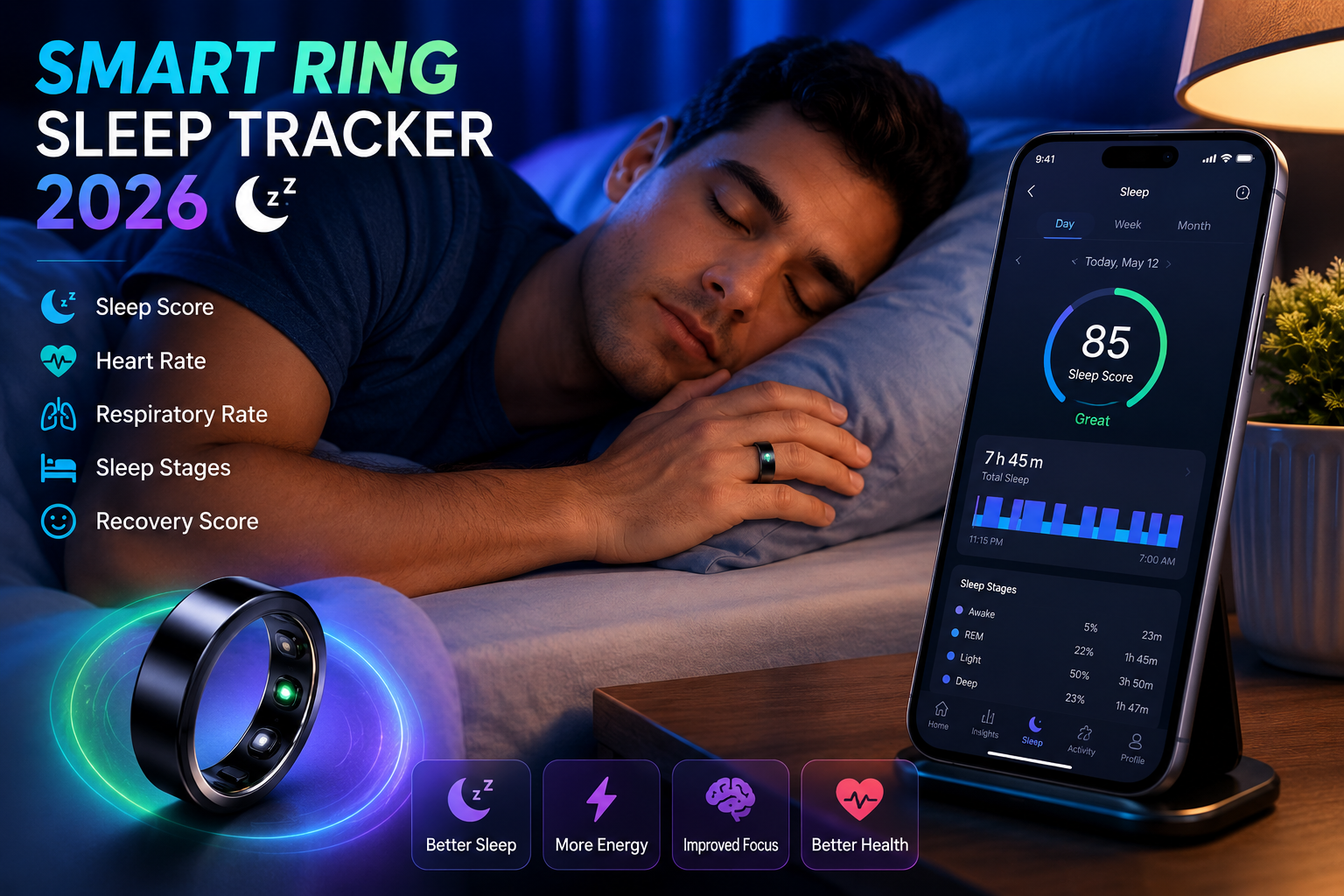
For years, sleep was treated like the leftover slice of the day whatever was left after work, screens, and everything else got their share. That's no longer the case. In 2026, sleep has quietly become one of the most talked-about, tracked, and optimized areas of personal health in America, and the numbers back it up: sleep-focused wearables, recovery scores, and "sleep as medicine" content are now a fixture of health news, fitness forums, and social feeds nationwide.
What changed? A mix of better technology, mounting research linking poor sleep to nearly every major health condition, and a cultural shift away from treating exhaustion as a badge of honor. Here's a full look at why sleep optimization is dominating the health conversation right now, what the wearables on your wrist (or finger) can actually tell you, and what the science says about turning better sleep into better health.
From Afterthought to Main Event
For most of modern history, sleep was the health habit nobody measured. You either felt rested or you didn't, and there wasn't much data to explain why. That started to change as wearables like the Oura Ring and WHOOP band turned rest into something trackable a nightly score, a recovery percentage, a trend line you could actually watch move over weeks and months.
Once sleep became measurable, it became something people started managing on purpose. People began connecting the dots between poor sleep and habits they'd never questioned before that second glass of wine, the 3 p.m. coffee, the phone scrolling at midnight. What used to be invisible is now tracked, scored, and shared, and an entire industry has grown up around helping people improve a single number on an app.
Industry trend analysts have named sleep optimization one of the defining health and wellness trends of 2026, right alongside longevity and personalized nutrition not as a passing fad, but as a sign of where consumer health spending and habits are genuinely headed.
The Wearables Actually Driving the Trend
Walk into any conversation about sleep tracking in 2026 and three or four names come up immediately: Oura, WHOOP, Apple Watch, and increasingly, non-wearable options like the Eight Sleep Pod and Withings Sleep mat. Each takes a meaningfully different approach.
Oura Ring has built its reputation almost entirely around sleep and recovery. It's discreet, comfortable enough for continuous overnight wear, and its sleep-staging algorithm has performed well in independent validation studies a 35-participant study at Brigham and Women's Hospital found the Oura Ring's sleep-stage detection was not significantly different from clinical polysomnography, the gold-standard sleep test that measures brain activity, heart rate, and eye movement in a sleep lab.
WHOOP takes a more performance-driven approach, built around daily "strain" and recovery scores rather than a single sleep score. It's popular with athletes and people who want their wearable to function more like a coach than a passive tracker, and its newest hardware version has closed much of the accuracy gap with Oura for REM and light sleep detection, according to independent comparison studies.
Apple Watch and Fitbit remain the most widely used wearables overall, in large part because people already own them for other reasons. Apple Watch tends to perform particularly well at detecting when someone is actually awake versus asleep, and both Apple and Fitbit have added dedicated sleep-score features and, in Apple's case, an official sleep apnea detection feature cleared for consumer use.
Non-wearable options like the Eight Sleep Pod and Withings Sleep mat have carved out their own lane for people who don't want to wear anything to bed at all. The Eight Sleep Pod, for example, actively manages mattress temperature throughout the night rather than just monitoring it a feature that can be especially useful for people dealing with night sweats, menopause-related temperature swings, or simply sleeping too hot. It comes at a steep price, often between $2,000 and $4,000 depending on size, plus a subscription for full coaching features, and has less independently published accuracy data compared to ring and wrist-worn devices.
How Accurate Are These Devices, Really?
This is the question worth asking before you buy anything, and the honest answer is: pretty good for trends, not good enough to replace an actual sleep study.
Consumer sleep trackers rely on accelerometers (movement sensors), photoplethysmography or PPG (light-based heart rate sensors), and skin temperature sensing to estimate what stage of sleep you're in. What they don't use is EEG, or brainwave monitoring, which remains the true gold standard and is only available through a clinical polysomnography test.
In the Brigham and Women's Hospital validation study mentioned above, the Oura Ring's sensitivity for detecting specific sleep stages ranged from about 76% to 79.5%, while Apple Watch ranged more widely from about 50% to 86% depending on the sleep stage, and Fitbit landed somewhere in between. A separate, larger study involving 18 participants tested across multiple wearables including Garmin, Fitbit, and lesser-known devices found that Oura Ring and WHOOP's newer algorithm consistently ranked at the top for overall accuracy, while Apple Watch was hardest to beat specifically for telling the difference between being asleep and simply lying still awake.
The consistent conclusion across this research: no consumer wearable should be treated as a diagnostic tool, but nearly all the major ones are accurate enough to reveal meaningful patterns over weeks and months which, for the average person trying to sleep better, is exactly what matters.
Why Sleep Is Suddenly a Medical Priority, Not Just a Wellness Trend
The bigger story behind all this tracking is the growing pile of research connecting sleep quality directly to serious health outcomes not just how tired you feel the next day.
Weight and metabolism. A recent study found that adults who slept roughly 78 fewer minutes a night over six weeks gained close to a pound and became measurably more sedentary during the day. It's one of the clearest recent demonstrations that sleep loss doesn't just make you tired it changes behavior and body composition in ways that compound over time.
Heart health. Poor sleep has long been linked to cardiovascular risk, and 2026 research continues to reinforce that connection, with several studies this year highlighting unexpected links between sleep quality, inflammation, and heart function.
Sleep apnea awareness. An estimated 22 million Americans are believed to have sleep apnea, and the majority don't know it. That's a big part of why SpO2 (blood oxygen) sensors have become standard on major wearables from Google, Fitbit, Garmin, Withings, WHOOP, and Oura. Samsung has received FDA approval for an official sleep apnea analysis feature, and Apple has followed with similar functionality on its Series 9 and later watches, including the current Series 11 and Ultra models. This matters well beyond convenience: undiagnosed sleep apnea is linked to high blood pressure, heart disease, and daytime accidents, and a consumer wearable flagging a pattern of low overnight oxygen levels has already prompted plenty of people to get a proper sleep study who otherwise never would have.
Brain and memory health. Sleep's role in memory consolidation and brain maintenance is one of the most active areas of neuroscience research right now. Deep sleep in particular has been linked to the release of growth hormone and to the brain's overnight "cleanup" processes, and disrupted sleep is increasingly recognized as one of several modifiable risk factors tied to long-term cognitive decline.
The Rise of AI Sleep Coaching
The next phase of this trend isn't just measuring sleep it's acting on the data. Nearly every major wearable brand now layers some form of AI-driven coaching on top of raw sleep data, offering personalized bedtime recommendations, alcohol and caffeine impact estimates, and even next-day workout adjustments based on how well you slept the night before.
This extends beyond personal devices, too. Hotels and hospitality brands have started experimenting with "smart rooms" designed around better rest adjustable lighting, temperature, and sound designed to support natural sleep cycles for travelers. Expect this kind of AI-guided, personalized approach to keep expanding through 2026, as more companies try to turn raw biometric data into advice people can actually act on, rather than just another number to glance at each morning.
What a "Bad Sleep Score" Actually Means (and What It Doesn't)
One important piece of advice that comes up again and again from people who've used these devices for years: don't panic over a single bad night. Sleep trackers are built to reveal patterns over weeks, not to render a verdict on any one night's rest. A stressful evening, a late meal, or one glass of wine too many can tank a single night's score without meaning anything is actually wrong.
The more useful approach is to watch for trends: is your sleep consistently getting worse around certain habits late workouts, alcohol, screen time before bed, an inconsistent bedtime or is it improving as you adjust them? That's the kind of insight these devices are genuinely good at, and it's a very different use case than trying to self-diagnose a sleep disorder from an app.
Choosing the Right Sleep Tracker for You
With so many options on the market, the right choice really comes down to what you're trying to learn and how much friction you're willing to tolerate:
Want the most sleep-focused, comfortable option for everyday wear? A ring-style tracker like Oura tends to be the top pick for people who dislike wearing a watch to bed and want sleep and recovery to be the main focus rather than one feature among many.
Training seriously and want daily recovery guidance? A wrist-based device built around strain and recovery, like WHOOP, tends to suit athletes and people who want their wearable to function like a coach.
Already have an iPhone and don't want another device? Apple Watch folds sleep tracking into a smartwatch you're likely already using for everything else, along with an official sleep apnea detection feature.
Don't want to wear anything to bed at all? Under-mattress options like Withings Sleep or active-cooling systems like the Eight Sleep Pod offer a "set it and forget it" approach, though they come with a much higher price tag and less independently published accuracy data.
On a budget? More affordable wrist trackers like the Fitbit Charge line still offer solid sleep-stage tracking and heart-rate-based insights without the premium price or subscription costs of some competitors.
Whatever you choose, most experts agree on one thing: the best sleep tracker is the one you'll actually wear consistently. A highly accurate device sitting in a drawer tells you nothing.
Beyond Sleep: Other Health Trends Riding the Same Wave
Sleep optimization doesn't exist in isolation it's part of a broader 2026 shift toward measurable, personalized, and preventive health. A few related trends worth knowing about:
Wearables Are Expanding Beyond Fitness
Wearable devices are increasingly being used for real-time metabolic feedback, not just step counts and sleep scores. A panel of health experts recently named wearables that provide immediate insight into how the body responds to food, exercise, and stress as one of the top health technology trends of the year, since that kind of instant feedback is proving useful for reinforcing behavior change in ways generic advice never could.
Personalized, Data-Driven Health Is the New Default
Most people don't want to be told what's healthy in general they want to know what's healthy specifically for them. That shift toward personalized health, powered by wearables and AI that turn raw data into daily, digestible insights, is showing up everywhere from nutrition apps to sleep coaching to fitness planning.
GLP-1 Weight-Loss Drugs Remain the Bigger Story
Sleep optimization is one of the fastest-growing health trends of 2026, but it isn't the single biggest one that title still belongs to GLP-1 weight-loss medications like Ozempic, Wegovy, and Mounjaro, which continue to dominate health headlines and search interest across the country. Interestingly, the two trends overlap more than people expect: several 2026 studies have looked at how sleep quality affects weight management outcomes, and vice versa, reinforcing that these two "hot" health topics are really two sides of the same coin.
Practical Tips If You're Starting to Track Your Sleep
Give it a few weeks before drawing conclusions. One or two nights of data won't tell you much. Look for patterns across two to four weeks before making changes based on what you see.
Pay attention to consistency, not perfection. A stable bedtime and wake time tends to matter more for most people's sleep quality than chasing a perfect nightly score.
Use the data to test specific habits. Try cutting off caffeine earlier, moving your last workout earlier in the day, or skipping alcohol for a week, and watch how your recovery and sleep-stage data actually respond. That's where these devices earn their keep.
Don't ignore repeated low blood-oxygen readings. If your device consistently flags dips in overnight oxygen levels, it's worth bringing up with a doctor rather than dismissing it that's one of the more medically meaningful signals these devices can catch early.
Remember it's a tool, not a diagnosis. If you suspect a real sleep disorder chronic insomnia, loud snoring with gasping, extreme daytime fatigue despite a full night's sleep a wearable is a helpful starting point for a conversation with your doctor, not a replacement for a clinical sleep study.
Frequently Asked Questions
Are sleep trackers accurate enough to trust? They're accurate enough to reveal meaningful trends over time, with the top devices performing reasonably well against clinical sleep studies for detecting sleep versus wake and general sleep stages. They're not accurate enough to serve as a medical diagnosis, and no major manufacturer claims otherwise.
Which is better: Oura or WHOOP? It depends on your goal. Oura tends to be preferred for pure sleep and recovery tracking with a more discreet form factor, while WHOOP is generally favored by people who train heavily and want detailed daily strain and recovery guidance. Independent testing shows the accuracy gap between the two has narrowed significantly with newer hardware and algorithm updates.
Can a smartwatch really detect sleep apnea? Some can flag signs consistent with sleep apnea, such as repeated dips in blood oxygen levels, and companies like Samsung and Apple have received regulatory clearance for dedicated sleep apnea detection features. These are screening tools meant to prompt a conversation with a doctor, not a replacement for an official sleep apnea diagnosis, which still requires a clinical sleep study.
Do I need an expensive device to improve my sleep? No. Plenty of the most important sleep habits consistent bedtimes, limiting late caffeine and alcohol, keeping the bedroom cool and dark cost nothing at all. A tracker is a helpful feedback tool for people who want data to guide those changes, not a requirement for better sleep.
How much sleep do most adults actually need? Most health guidelines still recommend seven to nine hours per night for adults, though individual needs can vary. What trackers are particularly good at is showing you how your own sleep duration and quality line up against how you actually feel and perform the next day.
The Bottom Line
Sleep optimization has earned its place as one of the defining health trends of 2026 because it finally gives people something concrete to act on. For decades, "get more sleep" was advice everyone heard and few people could actually measure or improve in a targeted way. Wearables changed that by turning a vague nightly experience into trackable data, and a growing body of research keeps confirming just how much that data matters for weight, heart health, brain function, and long-term disease risk.
The smartest way to approach this trend is the same as any other: use the technology as a tool for noticing patterns and testing changes, not as a source of nightly anxiety over a single score. Pick a device that fits how you actually live, give it time to show you real trends, and bring anything genuinely concerning — like repeated low oxygen readings or persistent insomnia to a doctor rather than trying to solve it with an app alone.
This article is for informational purposes only and does not constitute medical advice. Always consult a licensed healthcare provider about any concerns regarding your sleep or overall health.

Written by
Nithin Pallepati
Subject Matter Expert
Nithin Pallepati — Pharmaceutical Scientist, Math Expert & Co-Founder of MCQ Orbit
Nithin Pallepati did not set out to build an exam prep platform. He set out to get things right.
With 12 years in pharmaceutical and scientific research, accuracy is not a habit for Nithin, it is a discipline he lives by. Every article, question set, and topic on MCQ Orbit goes through his personal review: fact-checked, cross-referenced against real exam patterns, and held to a researcher's standard before it ever goes live.
His passion for Mathematics and Quantitative Aptitude runs deep, and so does his understanding of what Indian competitive exam aspirants from SSC CGL and IBPS PO to NEET and JEE actually need to succeed.
MCQ Orbit is completely free. No paywalls. No shortcuts on quality. Just reliable preparation built on one simple belief: every student deserves content that is honest, accurate, and worth their time.
Comments
No comments yet.