Modifiable Dementia Risk Factors: What New 2026 Research Reveals
Dementia isn't just something that happens to us as we age. A big part of it, it turns out, is something we can actually influence. That's the story a massive new global study is telling right now, and it's worth understanding properly — not just because it affects millions of families, but because "modifiable risk factors" is exactly the kind of topic that shows up in general studies and biology papers for competitive exams.
Let's break down what the research actually found, why it matters, and what you should remember from it.
What Are Modifiable Dementia Risk Factors?
A modifiable risk factor is simply something that raises your chances of developing a condition, but that you can change through lifestyle, treatment, or public health policy. Think of it as the opposite of a fixed risk factor like your age or your genes — those you can't do anything about. Blood pressure, on the other hand, you can.
Researchers analyzing data from over 214,000 people across many countries identified twelve modifiable risk factors linked to dementia, including:
Obesity
Hypertension (high blood pressure)
Diabetes
Physical inactivity
Smoking
Poor diet
Social isolation
Hearing loss
Depression
Excessive alcohol use
Low educational attainment
Air pollution exposure
Why Do These Risk Factors Differ by Country?
Here's the part that surprised even the researchers: the weight of each risk factor isn't the same everywhere. In some countries, hypertension is the dominant driver. In others, it's obesity or diabetes. This tells us something important — dementia prevention can't follow a single global template. What works as a public health strategy in one country might miss the mark in another.
This regional variation makes sense once you think about it. Diets differ, healthcare access differs, pollution levels differ, and so does average education. A one-size-fits-all prevention plan ignores all of that.
Why This Matters Beyond the Headlines
It's easy to read a stat like "twelve risk factors" and move on. But the real value here is what it means for prevention. If nearly half of dementia cases worldwide are linked to factors we can influence, that's not a small footnote — that's a genuine opportunity.
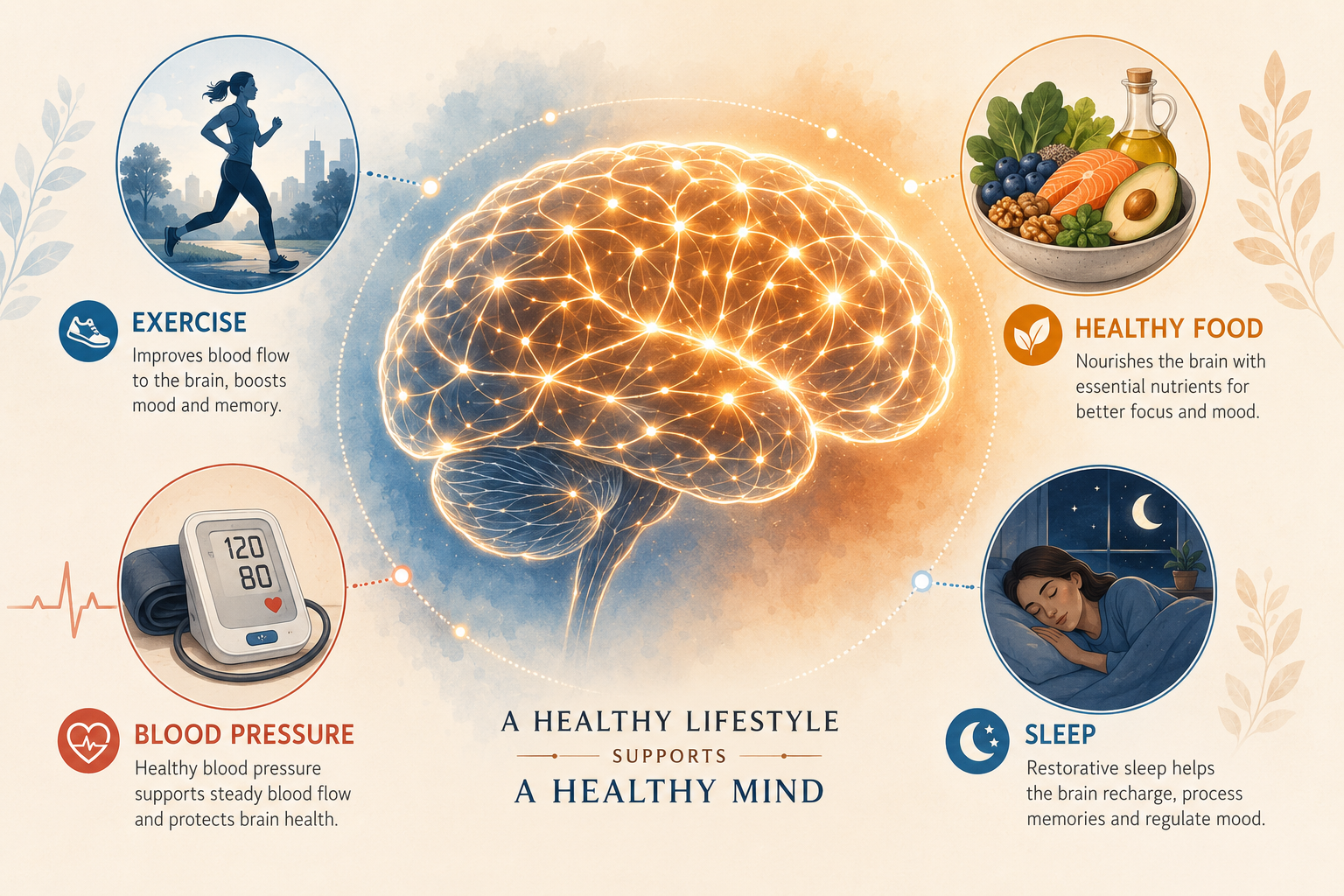
Managing blood pressure, staying physically active, treating hearing loss early, and staying socially connected aren't just "healthy lifestyle" advice anymore. They're now backed by hard population-level data as dementia prevention strategies.
How This Connects to Competitive Exams
If you're preparing for UPSC, NEET, SSC, or similar exams, this topic sits right at the intersection of biology and public health policy — a favorite combination for question setters.
UPSC (GS Paper II & III): Non-communicable diseases, health policy, and lifestyle-related illnesses are recurring themes in mains answers and prelims current affairs.
NEET / Medical entrance exams: Neurodegenerative diseases and their risk factors are core biology and physiology content.
SSC / Banking GK sections: Current affairs questions frequently pull from global health studies exactly like this one.
The key exam takeaway: know the difference between modifiable and non-modifiable risk factors, and be able to name at least five to six modifiable ones confidently.
A Closer Look at the Big Three: Obesity, Hypertension, and Diabetes
These three factors deserve special attention because they're interconnected — and because they show up together so often in exam questions on lifestyle diseases.
Obesity contributes to dementia risk partly through its effect on blood vessels and inflammation in the brain. Excess weight strains the cardiovascular system, and what's bad for your heart tends to be bad for your brain too, since both rely on healthy blood flow.
Hypertension damages small blood vessels in the brain over time, a process linked to vascular dementia specifically. Unlike Alzheimer's, which involves protein buildup, vascular dementia is more directly tied to blood flow problems — making blood pressure control one of the most actionable prevention steps available.
Diabetes affects the brain through both vascular damage and disrupted glucose metabolism, which brain cells depend on heavily. Poorly controlled blood sugar over years appears to accelerate cognitive decline.
Practical Prevention Steps Backed by This Research
You don't need a medical degree to start acting on this. Here's what the evidence actually supports:
Get blood pressure checked regularly, especially after age 40
Prioritize 150 minutes of moderate physical activity weekly
Treat hearing loss early instead of ignoring it
Stay socially engaged — isolation is a real, measurable risk factor
Manage blood sugar if you're pre-diabetic or diabetic
Limit alcohol and avoid smoking
None of these are complicated. That's actually the encouraging part of this research — prevention doesn't require anything exotic.
FAQs
Q1: What is the difference between modifiable and non-modifiable dementia risk factors? Modifiable factors can be changed through lifestyle or treatment, like blood pressure or diet. Non-modifiable factors, like age and genetics, cannot be altered.
Q2: Can dementia actually be prevented? Not entirely, but research shows a significant portion of dementia cases could potentially be delayed or prevented by managing modifiable risk factors, particularly cardiovascular ones.
Q3: Why do risk factors vary between countries? Differences in diet, healthcare access, pollution levels, and average education levels change how much each factor contributes to dementia risk in a given population.
Q4: Is hearing loss really linked to dementia? Yes, several major studies now list hearing loss as a modifiable risk factor, likely because it reduces cognitive stimulation and increases social isolation.
Q5: How is this topic relevant for competitive exams? It combines biology (neurodegeneration), public health policy, and current affairs — a common mix in UPSC, NEET, and SSC general studies sections.
Conclusion
The takeaway from this new research is simple but powerful: dementia risk isn't fixed. Twelve modifiable dementia risk factors, from blood pressure to hearing health, give us real, actionable ground to stand on — both for personal prevention and for public health policy. For exam preparation, remember the categories, know a few factors deeply, and understand why regional variation matters. Stay curious about this space; it's one of the fastest-growing areas in global health research right now.

Written by
Nithin Pallepati
Subject Matter Expert
Nithin Pallepati — Pharmaceutical Scientist, Math Expert & Co-Founder of MCQ Orbit
Nithin Pallepati did not set out to build an exam prep platform. He set out to get things right.
With 12 years in pharmaceutical and scientific research, accuracy is not a habit for Nithin, it is a discipline he lives by. Every article, question set, and topic on MCQ Orbit goes through his personal review: fact-checked, cross-referenced against real exam patterns, and held to a researcher's standard before it ever goes live.
His passion for Mathematics and Quantitative Aptitude runs deep, and so does his understanding of what Indian competitive exam aspirants from SSC CGL and IBPS PO to NEET and JEE actually need to succeed.
MCQ Orbit is completely free. No paywalls. No shortcuts on quality. Just reliable preparation built on one simple belief: every student deserves content that is honest, accurate, and worth their time.
Comments
No comments yet.